 Legal Narrative
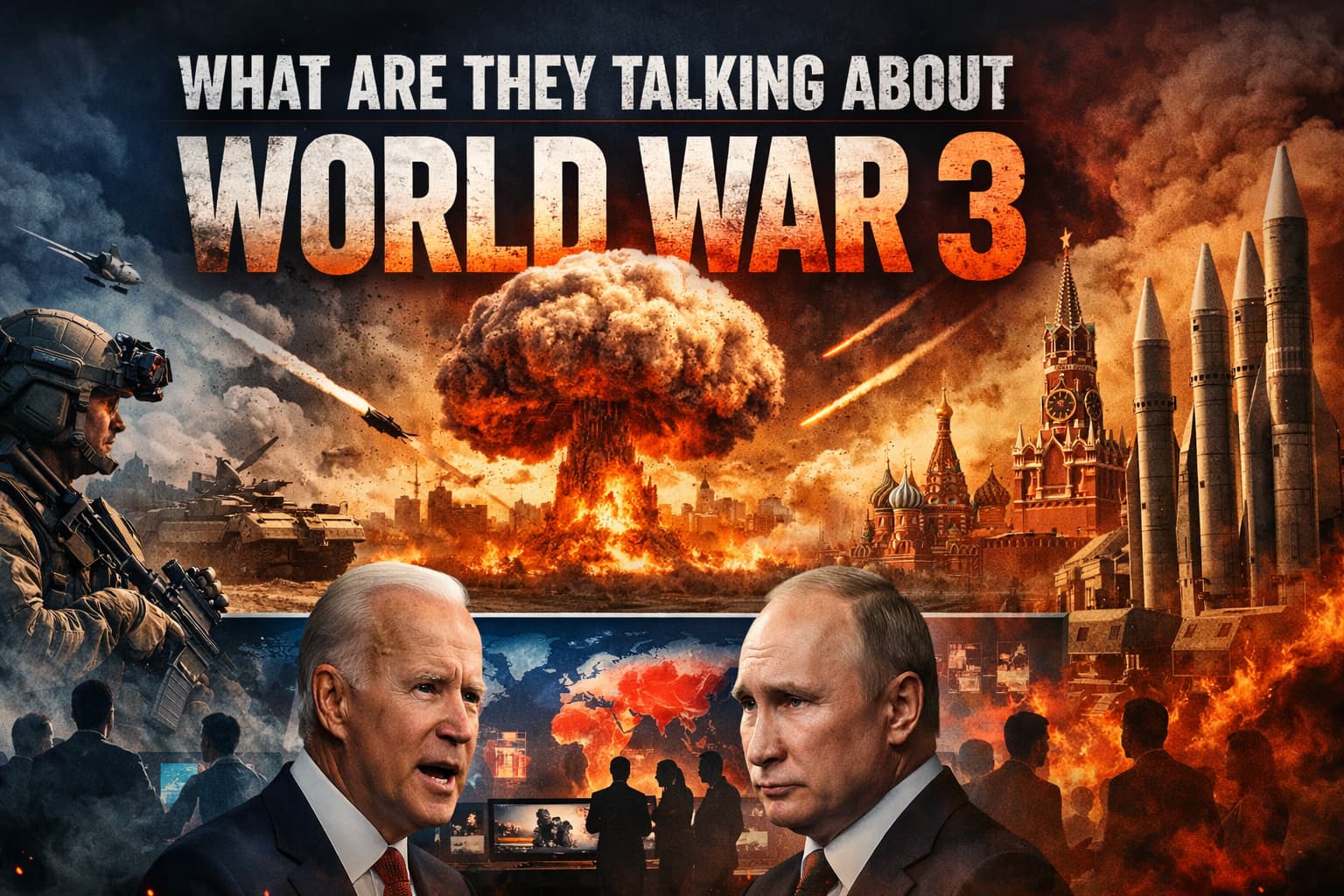
The specter of World War 3 looms large in global discourse, often fueled by escalating geopolitical tensions, regional conflicts, and the proliferation of advanced weaponry. Understanding what prompts these discussions requires examining the current international landscape and the historical context of global warfare.
Recent events and ongoing crises have significantly contributed to the heightened anxiety surrounding the possibility of a third world war. The ongoing conflict in Ukraine, for instance, has drawn in major global powers and introduced complex security dilemmas. Observers closely monitor the involvement of NATO members and Russia's strategic objectives, as any miscalculation could have far-reaching consequences.
Furthermore, simmering tensions in other regions, such as the Middle East and the Indo-Pacific, add layers of complexity to the global security environment. The rise of new power dynamics and the potential for proxy conflicts often feature in analyses predicting wider confrontations.
The discourse around World War 3 is not merely about direct military confrontation between superpowers. It also encompasses the potential for cyber warfare, economic destabilization, and the use of unconventional weapons. Experts often point to the interconnectedness of the modern world, where a conflict in one area can rapidly trigger a cascade of retaliatory actions across multiple domains.
Historically, the concept of world war implies a conflict of unprecedented scale, involving the majority of the world's great powers, and resulting in profound global political and societal changes. The First and Second World Wars reshaped the international order, leading to the formation of new alliances and institutions. Understanding these historical precedents helps frame current discussions about the potential triggers and consequences of another global conflict.
While the term "World War 3" is often used hyperbolically, it reflects genuine concerns about the fragility of international peace and security. It serves as a stark reminder of the devastating costs of large-scale conflict and the imperative for robust diplomatic solutions and de-escalation efforts.
The ongoing dialogues among nations, international organizations, and security analysts are crucial for navigating these complex times. The focus remains on preventing the escalation of existing conflicts and fostering an environment where dialogue and cooperation can prevail over confrontation.